June

In June at Kizhi

In April, with the help of Karelia CBC’s “Ethno-architecture of Fennoscandia in the XXI Century” project, we went on a photography tour to Russia. On the second day of June, it was time for another trip. We met again on Sunday morning at Pikisaari, Oulu and headed for Petrozavodsk. The ride took all day, so we arrived at the hotel late in the evening.

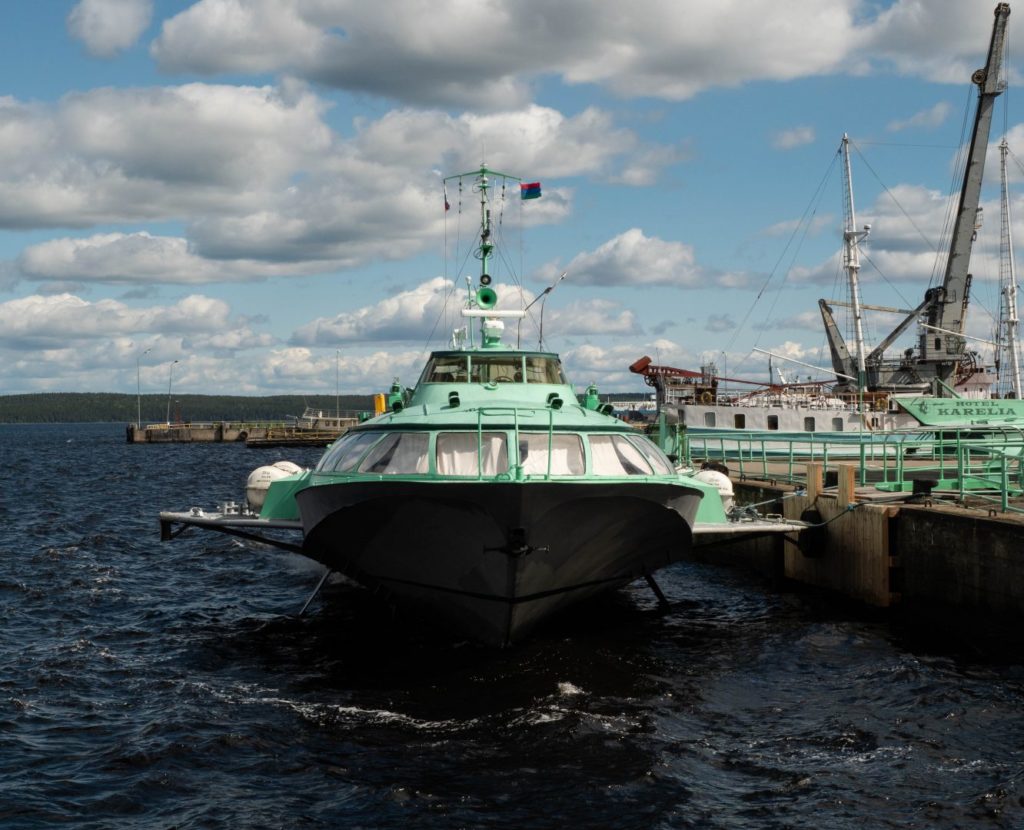
The hydrofoil that took us to Kizhi Island.

Monday’s program began with a gathering at the quay near the hotel, from which we departed to the Kizhi Island. At the quay we were greeted by the Kizhi Museum staff and one of their guides, Rita. She was our guide and interpreter throughout the trip. This time we transported to the Kizhi Island with a hydrofoil, a new means of transport to us just like the hovercraft we experienced on our trip in April. After arriving at Kizhi, we jumped on a slightly smaller boat and reached  the village of Ersnevo, where we were accommodated from a comfortable inn. The innkeeper’s father drove us by boat for a whole week because we had a program every day in other villages and only one boat to get from one village to another.

The next day we set out to explore the village of Kurguenitsy, where we saw a lot of the wooden architecture typical to the area. However, the visit was shorter than planned because of the cloudy weather and there were also a lot of mosquitos. On this trip we had a much looser schedule so we had plenty of free time to spend at the inn.

We were greeted by adorable cats in Oyatevshchina village.

On Wednesday morning we visited the small village of Oyatevshchina. There we were greeted by one of the villagers and two cats who were on our journey throughout the tour. After that we went to Kizhi for the World Environment Day. There were different booths in the harbor that we visited and we were also told about recycling on Kizhi Island. From the pier, we walked to the other shore of the island, where we could see the vipers safely up close. Kizhi has a lot of vipers, so we also saw them several times as we walked freely around the island. We also went to see a presentation of the mineral stones that had been displayed on a field. The rest of the day we explored the northern part of the island, where there was another small village and church that we had not yet fully explored on our April trip.


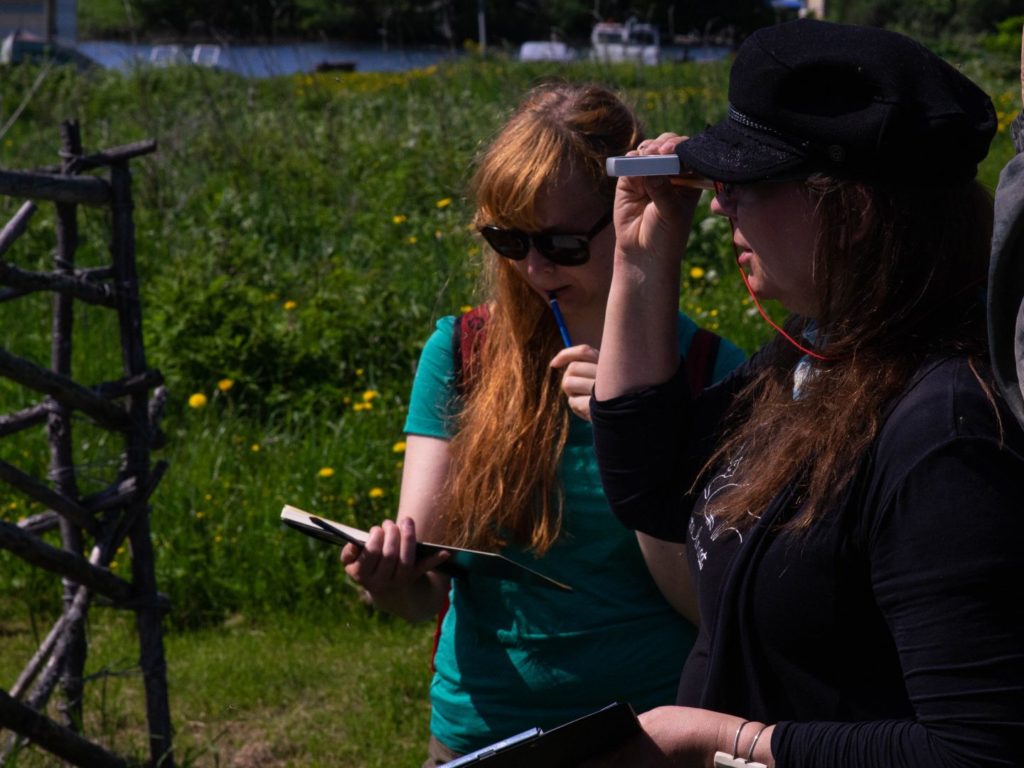
On Thursday we took a boat again to the village of Kurguenitsy. Fortunately, this time there was no sign of the rain but a warm weather instead, so mosquitoes were no longer a hassle. Restoration students were given the task of drawing floor plans from the village using an Azimuth measuring device.

Johanna and Merja measuring.

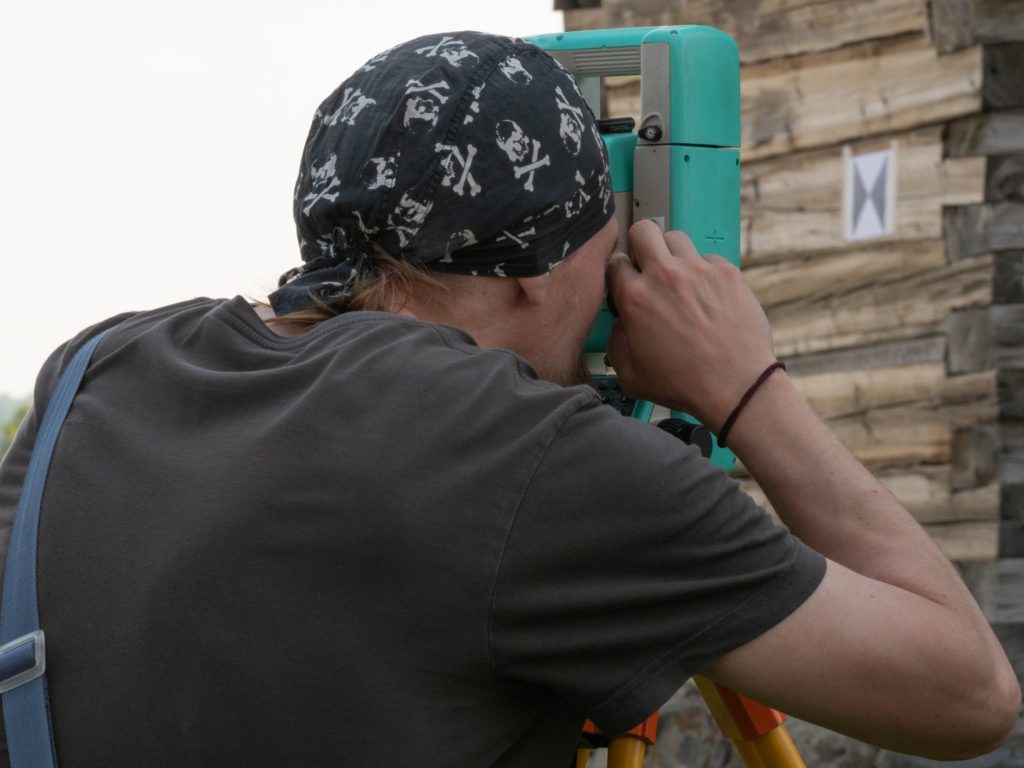
The next day, the program included lectures from a previous trip in a familiar classroom in Yamka village, Kizhi. The subject of the lectures was laser scanning and its use in restoration. There was also a laser scanner which was introduced to us by taking a test scan from the classroom.

Tuomas experimenting with laser scanning.

On Saturday we set off for the main exhibition area of ​​Kizhi, home to the largest churches on the island. The program included a laser scan of the Church of the Intercession. Restoration students could see how a large building scan actually works.

Unloading the scan materials was time-consuming, so the next day we met again in Yamka village for lectures and also got to see what the previous day’s scan looked like on a computer.

Jenna is looking at the results of the laser scan.

The rest of the trip started with a part of the group, so in the evening we went back to Petrozavodsk. In the morning four of the group left for Finland and the rest of us stayed so we could film the international carpentry competitions. The direction was again Kizhi, where the competitions were held.

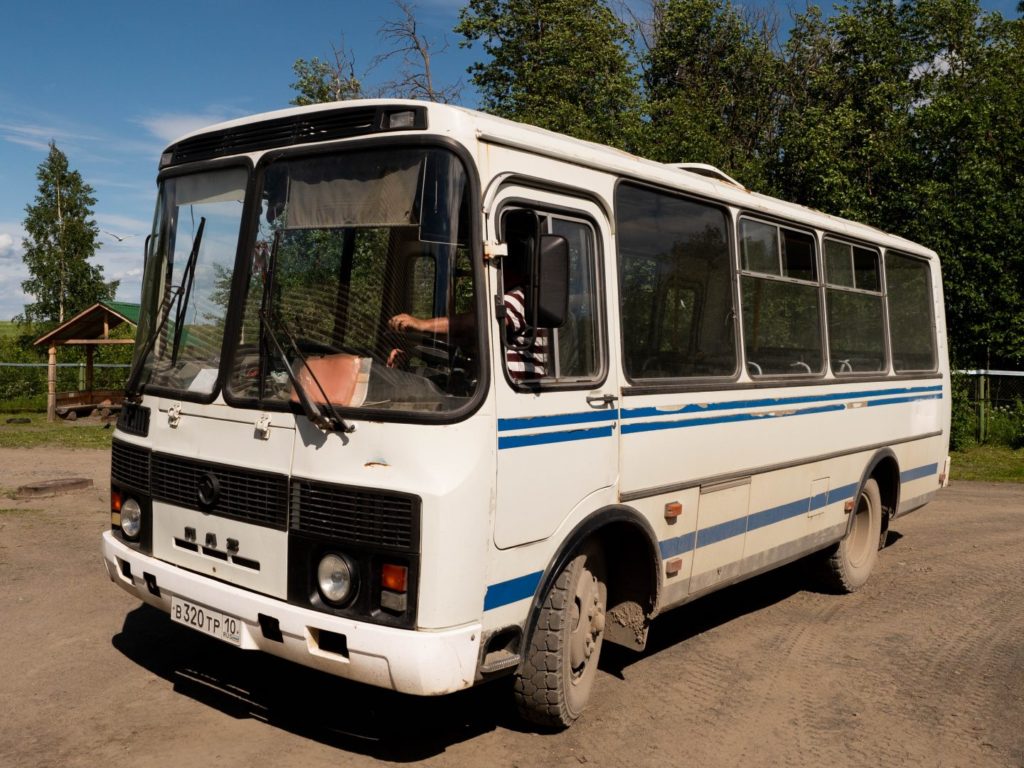
Monday morning dawned and we arrived at Kizhi Island. We got to know the teams that take part in the carpentry competitions. The only bus on the island came to pick up all the teams and take us to the sleeping accommodations for each team. The day went on to get to know the contest area and work material.

Tuesday morning started with an early wake-up call and the bus came to pick us up for breakfast at the other end of the island. After breakfast, we moved to an area that was already full of hassle. The teams made the final preparations before the start of the contest. The instructions for the contest were distributed to the teams. The purpose of the teams was to do any work of their choice using wood and ax. The teams had 24 hours to complete the task. The competition started at 11am.

Participants and staff of international carpentry contest.

Wednesday morning started off as usual with breakfast, after which we moved back to the contest area. Unlike the previous day, the area looked very different. The wood piles of the previous day were already beginning to resemble something. There was a bench, a table and even a small carousel. The last hours of the teams are at hand. Many of the contestants had worked all night, but everyone had a great feeling. The final minutes are at hand and several teams have already completed their work, but a few teams are still in the process of finishing. The clock strikes 11 and time is up. The teams accomplished their tasks well. The atmosphere was very cheerful and relaxed for the contestants. It was lunch time and in the meantime the judges were went through the works. The prize event started around 12 pm and the winner was the Karelian Exition. The winner of the popular vote was Oulu Vocational School. The prize was a nail used in the Church of Christ’s Transfiguration. Our journey started to come to an end and we left at around 4 pm towards Petrozavodsk where we stayed one night and the next morning the journey back to Finland started.

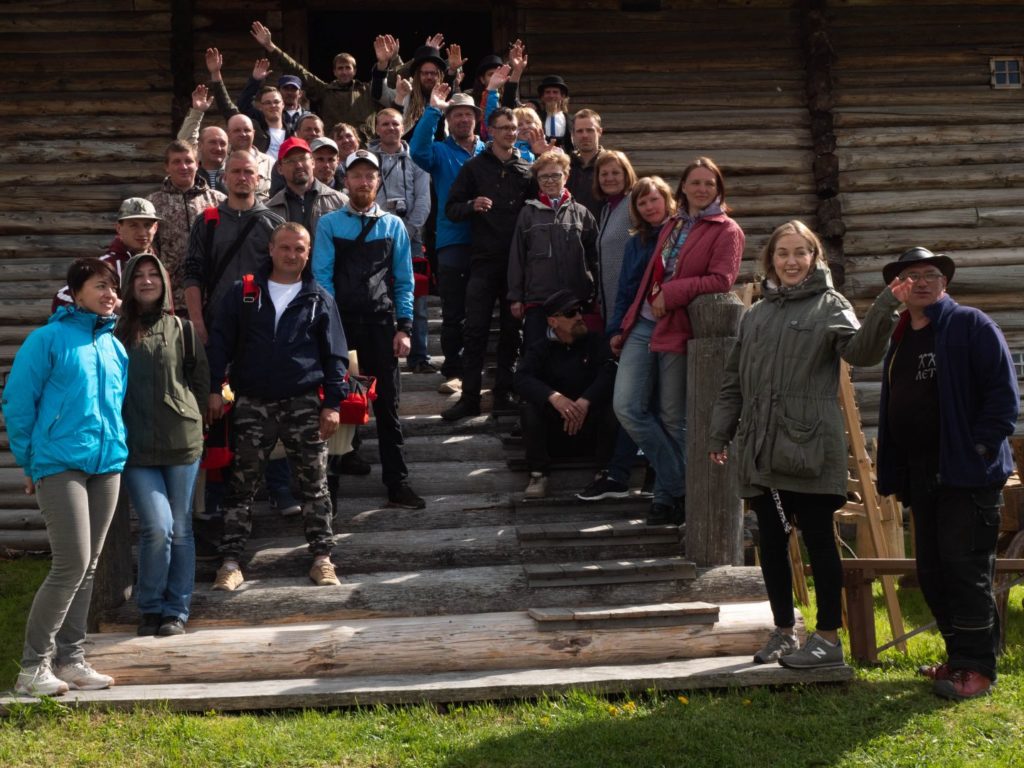
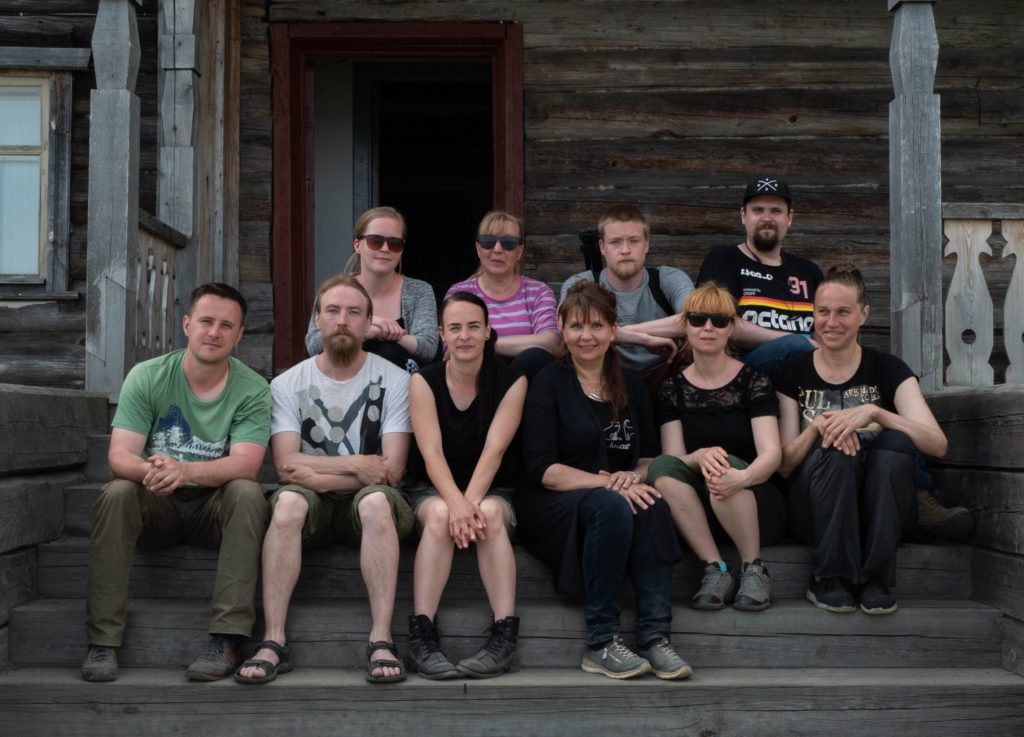
Our group.

Kuvat ja teksti

Silja Huhta
Miika Ivola
Tuukka Haavisto